9 October 2026 · 3 min read
Stale Deals in CRM: How to Spot Them Before They Hurt Forecasting
Learn how to identify stale deals in your CRM, improve pipeline accuracy, and stop inactive opportunities from distorting your forecast.
Overview
A stale deal is one that still looks open in the CRM but is no longer moving in a meaningful way.
It may still have a value, a stage, and an expected close date. But if the buyer has gone quiet, the next step is unclear, or internal work is stuck, that opportunity can quietly damage the accuracy of the whole pipeline.
Stale deals are one of the main reasons forecasts become less trustworthy over time.
What makes a deal stale
A deal is usually stale when one or more of these things are true:
• No next meeting is scheduled.
• No follow-up is currently assigned.
• The prospect has not replied in a meaningful time frame.
• The close date has moved repeatedly.
• The stage has not changed in too long.
• The team cannot explain what should happen next.
A deal does not need to be formally lost to become stale. It simply stops moving.
Why stale deals are dangerous
Stale deals create false confidence.
They inflate the apparent size of the pipeline. They make the forecast look stronger than it is. They also distract the team from live opportunities that need action now.
For leadership, this leads to bad decisions:
• Time gets spent on unrealistic opportunities.
• Forecast discussions become less useful.
• High-value active deals get less attention.
• Pipeline reviews turn into debates rather than decisions.
How to identify stale deals
Use a simple filter across the pipeline:
• No activity in the last 14 or 30 days.
• No upcoming task or meeting.
• Overdue follow-up.
• Close date has changed more than once.
• No recent note explaining current status.
• Still open in a late stage without clear progress.
This is often enough to find the deals that are distorting the pipeline.
What to do with them
Every stale deal needs a decision.
### Option 1: Re-engage
If the deal was previously serious, send a relevant follow-up tied to the original problem, decision process, or timing.
### Option 2: Move to nurture
If the fit remains good but timing is later, remove it from the active pipeline and set a specific reminder to revisit.
### Option 3: Close it
If there is no response and no clear path, close the deal and move on.
Closing a stale deal is not failure. It is a way to improve the quality of the pipeline.
Keep stale deals from returning
The best prevention is simple:
• Always leave a next action.
• Review inactive deals every week.
• Update stages honestly.
• Mark nurture separately from active pipeline.
• Make overdue work visible.
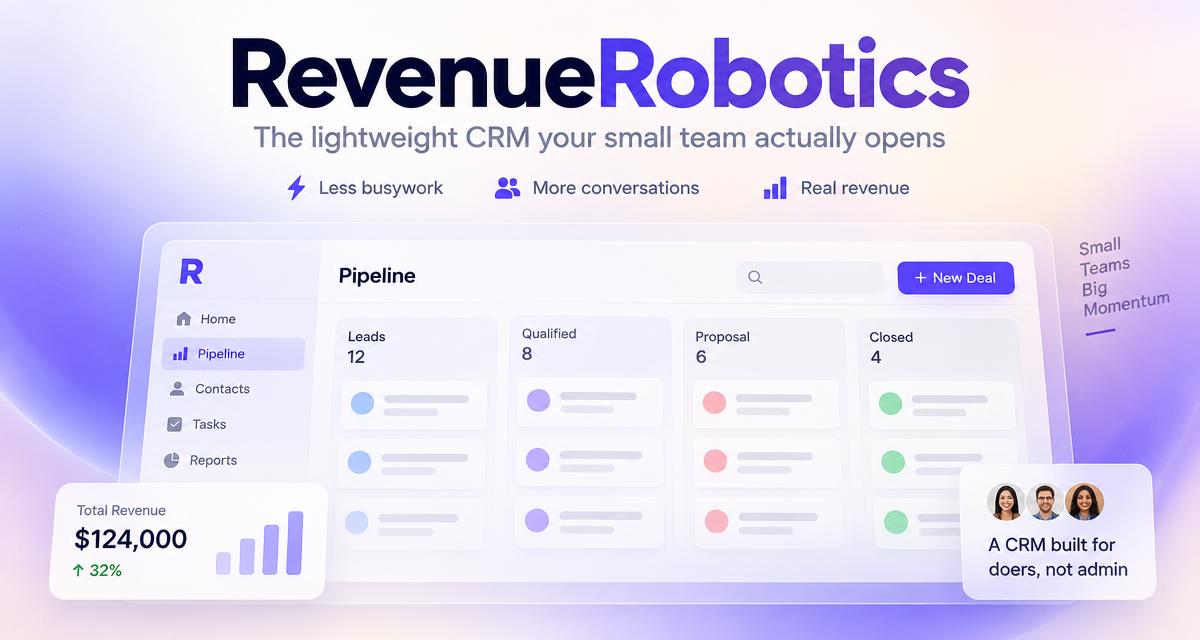
RevenueRobotics helps teams do this by keeping deals, tasks, and follow-ups connected, so inactive opportunities are easier to spot before they distort the forecast.
RevenueRobotics helps small teams identify stale deals early and keep the active pipeline focused on real opportunities.
Related product page
CRM for startups →Try RevenueRobotics
Companies, deals, automations and AI note summaries in one calm CRM.
Start free trial